
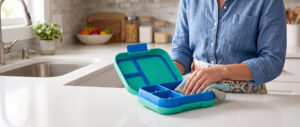
Keeping your child’s lunch box clean is an important part of maintaining fresh and healthy meals throughout the school year. Over time, lunch boxes can collect crumbs, food residue, and unpleasant odors, especially when they are used every day.
Learning how to clean lunch boxes effectively can help extend the life of your child’s lunch container while keeping it fresh, hygienic, and ready for busy school days.
Whether your child uses a bento-style lunch box, insulated lunch bag, or traditional lunch container, the right cleaning routine can make a big difference.
How Often Should You Clean a Lunch Box?
For the best results, lunch boxes should be cleaned after every use.
A quick daily cleaning helps prevent:
- Food smells from building up
- Stains from sauces and fruits
- Bacteria growth from leftover food particles
- Crumbs and spills from collecting in corners
At the end of each school day, empty the lunch box completely and remove any leftover food before cleaning.
How To Clean Lunch Boxes Effectively Step By Step
1. Empty the Lunch Box Completely
Before cleaning, remove:
- Leftover food
- Napkins
- Utensils
- Food containers
- Removable trays or compartments
Check inside pockets and small compartments where crumbs or wrappers may collect.
2. Wash Removable Parts Separately
Many popular lunch boxes include removable trays or containers that make cleaning easier.
Wash removable parts with:
- Warm water
- Mild dish soap
- A soft sponge or cloth
Some lunch boxes are dishwasher-safe, but always check the manufacturer’s instructions before placing parts in the dishwasher.
3. Clean the Interior Lining
For insulated lunch bags and soft lunch boxes:
- Wipe the inside with a damp cloth.
- Use warm soapy water to remove spills or food residue.
- Pay special attention to corners and seams.
- Allow the lunch bag to dry completely before storing.
A fully dry lunch box helps prevent lingering odors.
4. Eco-Friendly Lunch Box Cleaning Solutions for Stains and Odors
Lunch boxes can develop stubborn stains and unpleasant smells from foods like cheese, yogurt, fruit, and sauces. Using gentle, eco-friendly cleaning solutions can help remove food residue, freshen the container, and keep it ready for everyday use.
Baking Soda for Stains and Smells
Baking soda is a simple, natural option for removing stains and neutralizing odors. Mix baking soda with a small amount of water to create a paste, then apply it to stained areas. Let it sit for a few minutes before gently scrubbing with a soft sponge and rinsing thoroughly.
White Vinegar for Lingering Odors
For lunch boxes with strong food smells, a mixture of equal parts white vinegar and water can help freshen the interior. Wipe down the lunch box, allow it to sit briefly, then rinse well and leave it open to air dry completely.
Lemon Juice for Freshening
Lemon juice can help freshen lunch boxes and tackle mild discoloration from food residue. Apply a small amount to affected areas, let it sit for a few minutes, then rinse and dry before using.
Keep Lunch Boxes Fresh Between Uses
To prevent odors from returning:
- Wash lunch boxes after every use.
- Remove leftover food as soon as possible.
- Leave the lunch box open to dry completely overnight.
- Avoid storing food inside after school.
Avoid using harsh cleaners unless recommended by the manufacturer, as they may damage plastic surfaces, seals, or insulated liners.
How To Clean Different Types of Lunch Boxes
Bento Lunch Boxes
Bento-style lunch boxes often have removable compartments that make cleaning easier.
Tips:
- Remove the tray after each use.
- Wash food compartments thoroughly.
- Check the seal and latch areas for trapped food particles.
Bento lunch boxes are popular with middle school students because they help keep foods organized and separated.
If you’re looking for recommendations, check out our guide to the best lunch boxes for middle school students to compare durable, leak-proof options for everyday school lunches.
Insulated Lunch Bags
Insulated lunch bags require a little extra care because they usually cannot be fully submerged in water.
Tips:
- Wipe the inside liner after each use.
- Clean spills as soon as possible.
- Leave the bag open to dry overnight.
- Avoid storing food inside after school.
If you’re thinking about replacing your child’s lunch bag, our guide to the best insulated lunch bags for kids can help you choose a durable, easy-to-clean option for school.
Hard Shell Lunch Boxes
Hard shell lunch boxes are usually easier to clean because the exterior can be wiped down.
Tips:
- Use warm soapy water for daily cleaning.
- Dry completely before packing another lunch.
- Check hinges, seals, and latches for crumbs.
Tips To Keep Lunch Boxes Cleaner Longer
Use Leakproof Containers
Leakproof containers help prevent spills and make cleanup easier, especially for foods like yogurt, fruit, and sauces.
Pack Foods Separately
Using compartments or small containers can help prevent foods from mixing and reduce mess.
Let Lunch Boxes Air Out
Avoid closing a lunch box immediately after emptying it. Allowing air circulation helps prevent odors.
Replace Damaged Lunch Boxes
If a lunch box has cracks, damaged seals, or a lining that is peeling, it may be time for a replacement.
Frequently Asked Questions About Cleaning Lunch Boxes
Can lunch boxes go in the dishwasher?
Some lunch boxes are dishwasher safe, but it depends on the brand and materials. Always check the manufacturer’s care instructions before placing a lunch box in the dishwasher. Removable trays and compartments are often dishwasher safe, while insulated lunch bags and containers with special finishes usually need to be hand washed.
How often should you clean a lunch box?
A lunch box should be cleaned after every use to prevent food residue, odors, and bacteria from building up. A quick rinse or wipe after school, followed by a more thorough cleaning as needed, can help keep it fresh throughout the school year.
How do you remove smells from a lunch box?
To remove unpleasant odors, wash the lunch box thoroughly with warm soapy water and allow it to dry completely. For lingering smells, you can try wiping the inside with a mixture of baking soda and water, then rinsing and drying it well before the next use.
How do you clean a lunch box with mold?
If you notice mold, clean the lunch box immediately using warm, soapy water and follow the manufacturer’s cleaning recommendations. Some lunch boxes may need to be replaced if mold cannot be fully removed, especially if it has reached areas that are difficult to clean, such as seams or liners.
How To Keep Your Child’s Lunch Box Fresh During The School Year
A simple cleaning routine can help your child’s lunch box stay fresh and functional throughout the school year.
Taking a few minutes each day to empty, wipe, and dry the lunch box can prevent buildup and help it last longer.
If you are looking for a new lunch container, check out our guide to the best lunch boxes for middle school students to find durable options designed for busy school days.